

Best Organic Tea for Antioxidant Benefits
Table of Contents
- Best Organic Teas for Antioxidant Benefits: A Tail-Wagging Selection
- Best Antioxidant-Rich Teas: What Makes Them Stand Out
- Organic Green Tea Benefits and Why Catechins Matter
- How to Brew Green Tea for Maximum Antioxidants
- Organic Tea vs. Conventional Tea: What the Difference Really Means
- Beyond Green: White, Black, Oolong, and Herbal Options
- How to Select and Store Organic Tea for Peak Freshness
- Frequently Asked Questions
Last Updated: October 12, 2026
Best Organic Teas for Antioxidant Benefits: A Tail-Wagging Selection
Looking for the best organic tea for antioxidant benefits? You've landed in the right spot. Antioxidants are compounds that help combat oxidative stress in your body, and certain organic teas pack serious punch in this department.
Optimizing antioxidant content comes down to three things: what tea you choose, how you brew it, and where it comes from. This guide walks you through each, no ruff spots.
Quick Comparison Table
| Tea Type | Antioxidant Focus | Brewing Time | Best For |
|---|---|---|---|
| Green Tea (Matcha, Sencha) | Catechins (EGCG) | 2-3 minutes | Daily antioxidant boost |
| White Tea | Polyphenols & flavonoids | 3-5 minutes | Gentle, delicate flavor |
| Black Tea | Thearubigins | 4-5 minutes | Strong taste with benefits |
| Oolong Tea | Polyphenols range | 3-5 minutes | Balanced flavor & function |
| Rooibos & Hibiscus | Flavonoids & anthocyanins | 5-10 minutes | Caffeine-free option |
Best Antioxidant-Rich Teas: What Makes Them Stand Out
The best organic tea for antioxidant benefits isn't one-size-fits-all. What matters is understanding which compounds each tea type delivers, how those compounds are actually measured, and which tea fits your taste and lifestyle. EatingWell's guide to antioxidant-rich teas identifies black, green, hibiscus, oolong, white, and rooibos among the top choices, each offering distinct antioxidant profiles.
Green tea leads the antioxidant conversation, but that's not the whole story. White tea retains delicate polyphenols through minimal processing, black tea's full oxidation creates thearubigins with their own antioxidant power, and oolong sits in the middle.
How Antioxidant Levels Are Actually Measured
Here's what most guides skip: "high in antioxidants" isn't one number. It's a family of lab assays that don't agree with each other.
- ORAC, measures free-radical neutralization in a test tube. The USDA withdrew its ORAC database in 2010 because lab capacity doesn't translate to human health outcomes.
- FRAP, measures ferric iron reduction. Cheap and fast, but blind to some antioxidant mechanisms.
- DPPH and ABTS, color-change assays estimating radical-scavenging activity. Useful within one study, unreliable across studies.
Why cross-study comparisons fall apart: a number depends on cultivar, harvest season, leaf age, processing, brewing temperature, steep time, leaf-to-water ratio, and whether the study measured dry leaf or brewed cup. A dry-leaf ORAC value and a brewed-cup FRAP value are not the same animal, like comparing a dog's bark to its bite.
What Serving and Brewing Conditions Change
Even within one tea type, the antioxidant you drink depends on how you brew it:
- Leaf quantity, more leaf per cup means more extracted compounds, up to saturation.
- Water temperature, hotter water extracts phenolics faster but can degrade heat-sensitive catechins and pull out bitterness.
- Steep time, longer steeps extract more, with diminishing returns and rising astringency.
A Transparent, Evidence-Based Comparison
Rather than pretend one tea wins, here's a fair read of what the evidence supports:
| Tea Type | Dominant Antioxidant Compounds | What the Evidence Supports | What It Does Not Support |
|---|---|---|---|
| Green tea | Catechins, especially EGCG | High in vitro antioxidant activity; widely studied | That drinking it prevents any specific disease |
| Matcha | Catechins (whole leaf consumed) | Higher catechin delivery per serving than steeped leaf | That it outperforms all other teas in human outcomes |
| White tea | Polyphenols, flavonoids | Retains delicate polyphenols due to minimal processing | That it is measurably "highest" across all assays |
| Oolong | Mixed polyphenols | Range shifts with oxidation level | That one oolong represents the whole category |
| Black tea | Thearubigins, theaflavins | Oxidation creates distinct antioxidant compounds | That oxidation destroys all antioxidant value |
| Rooibos | Flavonoids (aspalathin, nothofagin) | Caffeine-free antioxidant activity | That it matches green tea's catechin profile |
| Hibiscus | Anthocyanins, flavonoids | Strong in vitro antioxidant activity | That it replaces evidence-based treatments |
The Limits of the Evidence
Most headline antioxidant numbers come from lab assays, not human trials.
The honest takeaway: tea is a reasonable, enjoyable source of dietary polyphenols, and choosing organic reduces exposure to certain agricultural residues. It's not a treatment, and no single tea is a proven cure-all.
The best organic tea for antioxidant benefits depends on your body's needs and brewing habits. A tea with incredible potential brewed wrong loses much of that benefit, and so does poor storage, since light and air degrade antioxidant compounds.
Organic Green Tea Benefits and Why Catechins Matter
Green tea is frequently highlighted as an antioxidant-rich option, and for good reason. Research from the Journal of the American College of Nutrition examined green tea's reported health benefits, including research on cancer, heart disease, and liver disease, establishing its role in antioxidant-focused wellness routines.
Catechins neutralize free radicals, the unstable molecules behind oxidative stress.
The catch? Not all green teas are created equal. Organic green tea avoids synthetic pesticides and herbicides, and brewing temperature and timing matter enormously, too hot or too long extracts bitterness while losing some antioxidant compounds.
Matcha: The Powdered Powerhouse
Matcha is ground whole green tea leaves, so you consume the entire leaf and all its antioxidant potential, a concentrated dose of catechins compared to steeped green tea. Our Matcha ($22.99) is refined and lingering, crafted for traditional preparation and mindful daily rituals.

The downside? Matcha requires a whisking ritual, not a grab-and-go tea bag. But if you're serious about maximizing antioxidant intake and enjoy the ceremony, matcha delivers.
Moroccan Mint and Jasmine Green Tea Blends
Blending green tea with mint or jasmine doesn't diminish its antioxidant power, it enhances the experience. Our Moroccan Mint ($22.99) pairs green tea with fresh mint for a smooth, vibrant blend that's refreshing hot and next-level iced; Our Jasmine ($22.99) combines hand-picked jasmine blossoms with green tea, medium-bodied and sweet, good for multiple steepings, with Both blends deliver a great organic tea experience while making it more enjoyable than plain green tea.

How to Brew Green Tea for Maximum Antioxidants
Brewing matters as much as the tea itself.
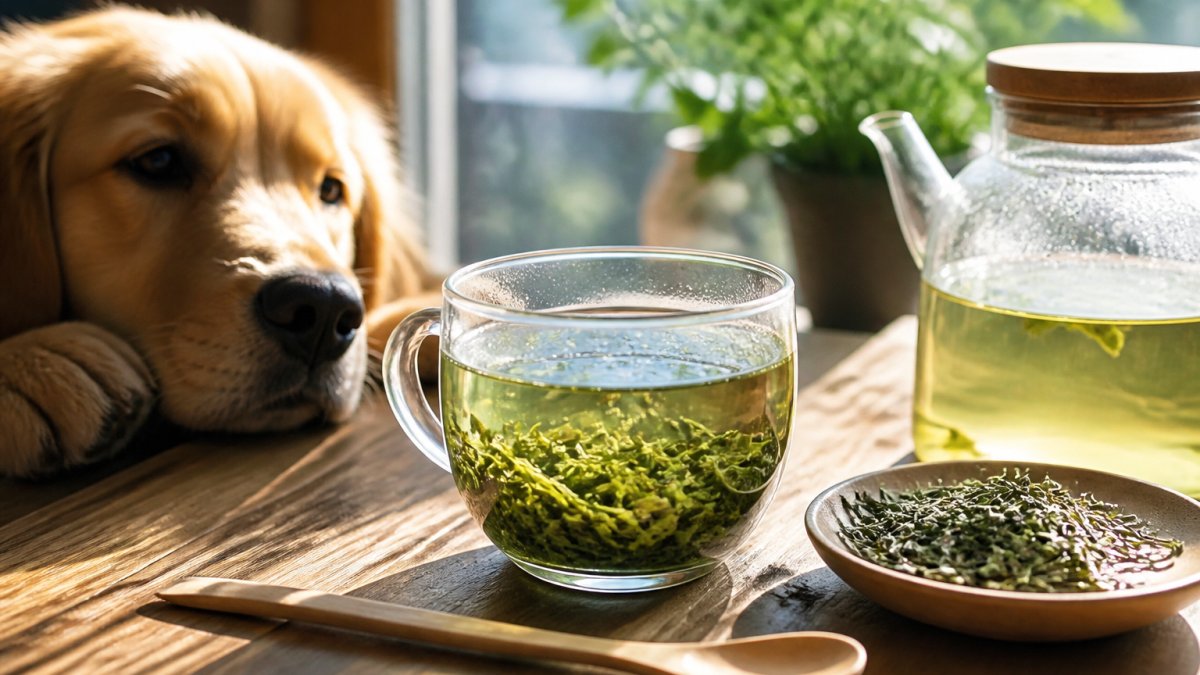
Start with water between 160-180°F. Boiling water (212°F) scalds delicate green tea leaves, breaking down catechins and creating harsh, bitter flavors.
Use one teaspoon of loose leaf per 8 ounces of water. Steep 2-3 minutes, then remove the leaves.
For matcha, whisk one teaspoon of powder with two ounces of warm water until frothy, then add six ounces of hot water.
Organic Tea vs. Conventional Tea: What the Difference Really Means
The "organic" label matters, but not always the way people assume. Let's dig up the real bones.
In the U.S., the organic claim on tea is governed by the USDA National Organic Program (NOP).
Label tiers matter, and they are easy to mix up:
- "100% Organic", all ingredients (excluding water and salt) are certified organic. The USDA Organic seal may appear.
- "Organic", at least 95% of ingredients by weight (excluding water and salt) are certified organic. The USDA Organic seal may appear.
- "Made with Organic [ingredients]", at least 70% certified organic ingredients. The seal may not appear, and the label must name up to three organic ingredients or food groups.
For antioxidant content specifically, organic doesn't automatically mean higher levels, it means fewer potential contaminants and a verifiable paper trail.
How to verify a claim in about 60 seconds:
- Look for the USDA Organic seal or "certified organic" on the front panel.
- Find the certifier name on the back or side panel.
- Search the USDA Organic Integrity Database by operation name to confirm the certificate is active.
- For imported tea, the same NOP standard applies, the certificate should trace to a USDA-accredited certifier.
Organic farming emphasizes soil health and plant resilience, which can support antioxidant production, but this varies by cultivar, farm, season, and processing.
When you buy premium tea from Pups Brew, organic is standard. You deserve both the antioxidant benefits and peace of mind about what's in your cup, no mystery ingredients, no ruff surprises.
Beyond Green: White, Black, Oolong, and Herbal Options
Green tea gets the spotlight, but other teas deserve recognition.
White tea is the least processed, retaining more natural polyphenols and flavonoids.
Black tea undergoes full oxidation, transforming catechins into thearubigins with their own antioxidant activity. It's strong, full-bodied, and higher in caffeine.
Oolong tea sits between green and black in oxidation, offering a range of polyphenols depending on variety.
Hojicha: Roasted Green Tea with Umami Depth
Hojicha is green tea roasted at high temperatures, transforming its flavor and antioxidant profile. Our Hojicha ($22.99) is stone-milled into a fine powder, brewed smooth with comforting notes of toasted cereal and balanced umami. Roasting reduces caffeine while creating unique compounds, ideal for evenings without sleep disruption.
Hibiscus Berry and Apple Cider Rooibos: Herbal Antioxidant Heroes
Not all antioxidant power comes from Camellia sinensis (the plant behind green, white, black, and oolong tea). Herbal teas deliver serious antioxidant benefits too.
Our Hibiscus Berry Tea ($22.99) combines organic hibiscus flowers, organic rosehips, organic orange peel, organic rooibos, organic blueberry flavor, organic passionfruit flavor, and organic mango flavor for a refreshing blend, tart and naturally sweet, perfect cold-brewed or hot, with berry notes that work synergistically with the hibiscus base.

Our Apple Cider Rooibos ($22.99) is naturally caffeine-free with spicy, sweet notes from cinnamon, orange peel, and natural spices. Rooibos delivers a caffeine-free experience, perfect any time of day, especially if you're caffeine-sensitive.
How to Select and Store Organic Tea for Peak Freshness
Choosing the best organic tea for antioxidant benefits doesn't end at purchase, storage directly impacts how long those antioxidants remain potent.
Store loose leaf tea in an airtight container away from light, heat, and moisture.
Properly stored organic tea stays fresh 6-12 months. After that, its quality may decline noticeably.
Finding the best organic tea for antioxidant benefits means knowing which teas deliver the compounds your body needs, how to brew them properly, and how to keep them fresh.
Frequently Asked Questions
Which tea has the most antioxidants?
Green tea ranks among the highest for antioxidant content, particularly due to catechins like EGCG, which research shows has greater antioxidant activity than ascorbic acid. According to a 2025 study published in Scientific Reports, Camellia sinensis (the plant behind green, white, and black teas) demonstrated the highest antioxidant properties among tested herbal teas. Matcha, a powdered green tea, concentrates these compounds even further since you consume the entire leaf. White and oolong teas also offer robust antioxidant profiles, while herbal options like hibiscus and rooibos provide different polyphenol compounds with their own antioxidant benefits.
Is organic green tea better for antioxidants than conventional green tea?
Organic certification ensures the tea was grown without synthetic pesticides and fertilizers, but it doesn't directly increase antioxidant content. The antioxidant level depends more on the tea plant variety, growing conditions, altitude, and processing method than on organic status. What organic certification does guarantee is purity and reduced chemical residues. For maximum antioxidant benefit, focus on tea type (green, matcha, white) and freshness rather than organic alone. That said, choosing organic eliminates exposure to synthetic residues, making it a solid choice if you're drinking tea regularly for health benefits.
How should you brew tea to preserve its antioxidants?
Water temperature and steeping time are critical. Green tea should steep at 160-180°F for 3-5 minutes to avoid harsh flavors with boiling water. Matcha requires whisking with hot (not boiling) water to fully dissolve the powder and maximize antioxidant availability. Herbal teas like hibiscus and rooibos are more heat-stable and can handle 212°F water for 5-10 minutes. Using filtered water and fresh, properly stored tea leaves ensures you're getting maximum antioxidant compounds in every cup. Avoid over-steeping, which can create bitterness without adding more antioxidants.
Do herbal teas like hibiscus and rooibos contain antioxidants?
Yes. Hibiscus has a tart, naturally sweet profile. Rooibos, grown in South Africa and caffeine-free, is a popular tea alternative. A 2026 guide from EatingWell identified black, green, hibiscus, oolong, white, and rooibos among the best teas. Herbal blends like Hibiscus Berry Tea combine hibiscus flowers, rosehips, and rooibos, creating a naturally sweet and refreshing cup hot or iced.