

How to Choose Coffee Sample Packs: A Pup's Guide
Table of Contents
- What to Look for in a Coffee Sample Pack
- Coffee Roast Levels Explained
- Whole Bean Coffee Sampler vs. Ground Options
- How to Taste Coffee at Home: A Simple Method
- How to Store Coffee Beans for Maximum Freshness
- Matching Sample Packs to Your Brewing Equipment
- Sample Pack Types: Blends, Single-Origin, and Flavored
- Calculate Cost Per Cup and Value
- Frequently Asked Questions
Last Updated: October 14, 2026
What to Look for in a Coffee Sample Pack
When you choose coffee sample packs, it can feel like finding a needle in a haystack, but it doesn't have to be ruff. At Pups Brew, we know the best way to discover your next favorite brew is to sample a variety of options without committing to a full bag.
When you're evaluating how to choose coffee sample packs, focus on three core elements: what's inside, how fresh it is, and whether it matches your brewing style. The right pack transforms the guesswork into a guided journey through the world of specialty coffee.
Sample Size and Quantity
Most quality sample packs include individual portions between 1 and 3 ounces per variety, the sweet spot. That's enough coffee to brew several cups and really get to know each flavor, without forcing you to finish a whole bag if it's not your thing.
Look for packs with at least 4 to 6 different samples. That range lets you explore without overwhelming your palate; fewer than 4 misses the point of sampling, and more than 8 makes it hard to remember which one you loved.
Consider how many cups each sample yields:
- A 2-ounce sample makes roughly 3-4 cups (depending on your brewing method)
- A 1-ounce sample makes about 1-2 cups
- A 3-ounce sample makes 5-6 cups
Roast Dates and Freshness
Coffee is at its best within 2 to 4 weeks of the roast date; after that, beans lose their brightness and complexity. When your sample pack arrives, check the roast date on each package, it should be recent, ideally within the last 2 weeks.

Many coffee drinkers go wrong here: they focus on the sell-by date and ignore the roast date, which is what actually matters. A bag roasted 3 months ago is not the same as one roasted last week, even if both are technically "fresh."
Ask yourself: Does the roaster print the roast date clearly on the package? If not, that's a red flag. Reputable roasters are proud of their roast dates because they know freshness is part of the value you're paying for.
Coffee Roast Levels Explained
Understanding roast levels is like learning the alphabet of coffee flavor. Light, medium, and dark roasts each bring something different to your cup, determining how much the bean's origin characteristics shine through versus how much the roasting process shapes the flavor.
Light Roasts: Bright and Complex
Light roasts preserve the most origin character. Removed from the heat before the first crack, they retain more of the acidity and complexity of where they were grown, tasting brighter, more floral, and often fruity or citrusy.
If you love tasting the difference between a coffee from Ethiopia versus one from Colombia, light roasts are your friend.
Light roasts work best with pour-over or drip brewing methods, where you can control the water temperature and extraction time carefully.
Medium Roasts: Balanced and Smooth
Medium roasts hit the sweet spot between origin character and roasted flavor. Roasted slightly longer than light roasts, they bring out more sweetness and body while still letting the bean's origin shine through, approachable and satisfying for most people.
A medium roast often has notes of chocolate, caramel, or nuts. It's less acidic than light roast but more flavorful than dark roast.
Medium roasts work well with almost any brewing method, which makes them ideal for sample packs.
Dark Roasts: Bold and Rich
Dark roasts are roasted past the second crack, so the roasting process becomes the dominant flavor: chocolate, caramel, and sometimes smoky or earthy notes, with origin character taking a back seat to the bold, full-bodied profile.
Dark roasts have less caffeine than light or medium roasts, since more time in the heat burns off more caffeine. They also taste less acidic, which some people prefer if they have a sensitive stomach.
Dark roasts shine in espresso drinks and French press brewing, where their bold flavor doesn't get lost.
Whole Bean Coffee Sampler vs. Ground Options
This is a non-negotiable choice: whole bean or ground.
If you have a grinder at home, always choose whole bean. You'll taste a noticeable difference.
Whole bean also gives you flexibility. You can grind coarse for French press, medium for drip, or fine for espresso, all from the same bag. Ground coffee locks you into one brewing method.
Most quality sample packs offer whole bean samples so you can grind them fresh for each brew.
How to Taste Coffee at Home: A Simple Method
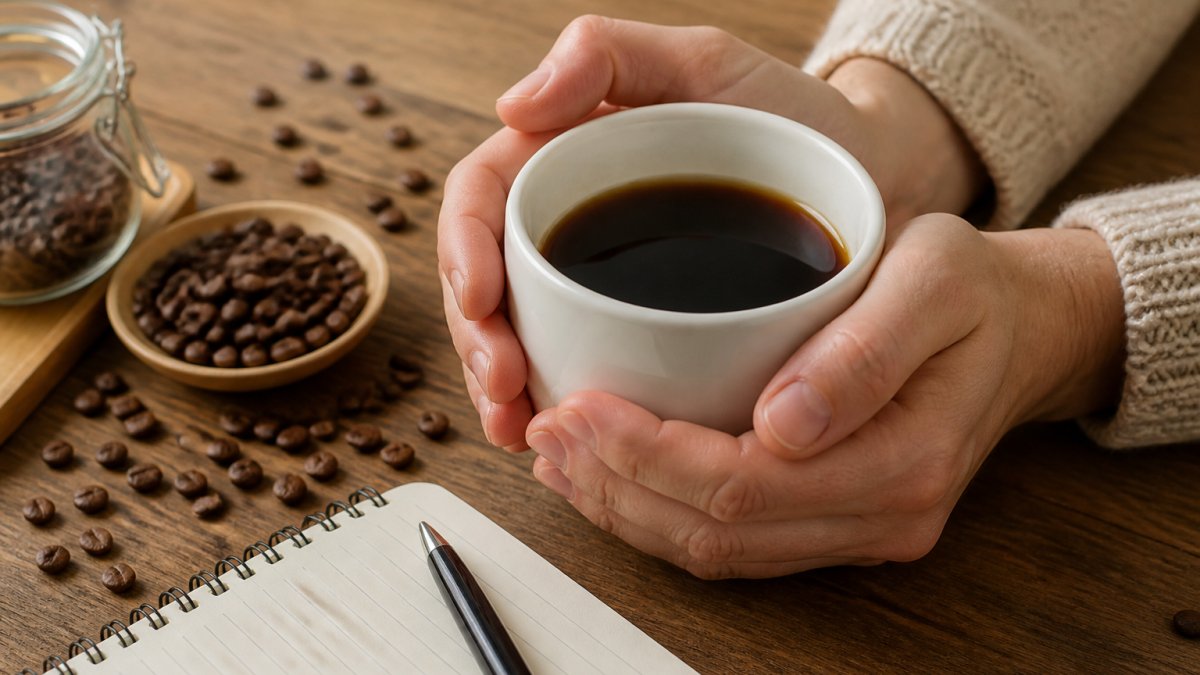
Tasting coffee at home doesn't require fancy equipment or years of experience, just a simple, repeatable method that keeps your tastings honest and helps you remember which coffees you loved.
The Tasting Process
Start with fresh water just off the boil. Brew using your normal method, but pay attention this time, don't multitask.
Let the coffee cool for a minute or two. This helps you taste the full range of flavors without burning your mouth. Hot coffee masks subtlety.
Take a small sip. Slurp it a bit so it coats your whole mouth. Notice the first impression: Is it smooth or acidic? Bold or delicate?
Then take a second sip and think about the finish. What lingers after you swallow? Does it taste clean or heavy?
Identifying Flavor Profiles and Tasting Notes
Flavor profiles and tasting notes are just descriptions of what you taste, not mysterious or pretentious. When a roaster says a coffee has "notes of chocolate and caramel," they're describing what it actually tastes like.
Your job is simple: does this coffee taste good to you? You don't need to taste exactly what the roaster tasted. Your palate is your own.
Best Sellers Sample Pack: 6Bean, Cowboy, Breakfast, Peru, Mexico, Bali →
Use these common flavor categories to guide your tasting:
- Sweetness: Does it taste sweet, or is it more neutral?
- Body: Does it feel heavy and full, or light and clean?
- Acidity: Does it taste bright and lively, or mellow?
- Aroma: What does it smell like before you taste it?
After you've tasted a few samples, patterns will emerge. You'll notice which roast levels appeal to you, which origins you prefer, and which flavor profiles make you happy.
How to Store Coffee Beans for Maximum Freshness
Once you open a sample pack, you've started a clock. Coffee stays freshest in an airtight container away from light, heat, and moisture, keep opened samples in a cool, dark cupboard or pantry, not on a sunny counter.

Don't refrigerate or freeze your coffee beans. The moisture in the fridge will damage the beans, and freezing can cause condensation when you take them out.
Use your opened samples within 2 to 3 weeks. After that, they're still drinkable, but the brightness and complexity fade.
Matching Sample Packs to Your Brewing Equipment
Not all coffees work equally well with all brewing methods. Your brewing equipment should influence which sample pack you choose.

Espresso and Fine Grinds
Espresso machines need coffee ground very fine, almost like powder. Darker roasts and blends work best because they're forgiving and produce rich crema; single-origin coffees can work but are trickier to dial in if you're new to espresso.
If you have an espresso machine, look for sample packs that include espresso-specific blends.
Drip and Pour-Over Methods
Drip and pour-over setups work well with any roast level. Medium roasts are the safest bet, balanced across many brewing parameters; light roasts taste amazing but need precision with water temperature and timing, while dark roasts are forgiving and bold.
French Press and Immersion Brewing
French press brewing steeps the coffee grounds in hot water for several minutes, which extracts a lot of body and oils from the beans. Medium and dark roasts shine here because their fuller body stands up to the immersion method. Light roasts can taste a bit thin in a French press.
Sample Pack Types: Blends, Single-Origin, and Flavored
Understanding the three main types of coffee helps you decide what sample pack fits your goals.
Blends: Consistency and Versatility
Blends combine beans from multiple origins to create a consistent flavor profile, whether for taste, balance, or price point. A blend might combine beans from South America, Africa, and Asia for something balanced and smooth.
Blends are great for everyday drinking, reliable, versatile, and work well in any brewing method. If you're just starting to explore coffee, they're a smart, approachable, forgiving place to start.
The Best Sellers Sample Pack includes several blends like the 6Bean (dark roast) and Cowboy Blend (dark and medium mix), so you can taste how different blends work.
Single-Origin: Exploring Regional Flavors
Single-origin coffees come from one specific region or farm, letting you taste the terroir of where the coffee was grown.
Single-origin coffees are more complex and interesting if you love exploring flavor. They're also more variable because you're tasting the natural variation of a specific place, not a manufactured blend.
The Single Origin Favorites Sample Pack lets you compare six different regions: Brazil, Colombia, Costa Rica, Ethiopia, Honduras, and Tanzania. This is an excellent way to discover which origins speak to you.
Flavored Coffees: Fun and Approachable
Flavored coffees are specialty-grade beans infused with flavoring oils. The Flavored Coffees Sample Pack includes French Vanilla, Hazelnut, Cinnabun, Caramel, and Mocha, roasted to a smooth medium and carefully flavored while still warm.
Flavored coffees are fun and approachable. They're great if you like a little sweetness or novelty in your cup. They're also perfect if you're introducing someone to specialty coffee who might find straight black coffee intimidating.
Calculate Cost Per Cup and Value
One of the best ways to evaluate a sample pack is to calculate the cost per cup, taking the guesswork out of whether you're getting value.
Most sample packs include 6 samples of 2 ounces each, giving you roughly 18-24 cups total depending on your brewing method and preferred strength.
Compare this to buying single bags.
The real value in a sample pack isn't just the price per cup, it's the discovery.
| Sample Pack Type | Best For | Roast Range | Brewing Methods |
|---|---|---|---|
| Blends | Everyday drinking, consistency | Light to Dark | Any method |
| Single-Origin | Flavor exploration, terroir | Light to Medium-Dark | Pour-over, Drip |
| Flavored | Fun, approachable, gifts | Medium | Drip, French Press |
Choosing the right coffee sample pack comes down to matching what's in the pack to what you actually brew and enjoy.
Frequently Asked Questions
How do I choose a coffee sample pack if I'm new to specialty coffee?
Start with a variety pack that includes different roast levels and flavor profiles. A sample pack like the Best Sellers or Single Origin Favorites ($24.99 each) lets you try multiple options in small 2oz portions. Look for packs with tasting notes and descriptions to guide your first impressions. Begin with medium roasts, which offer balanced flavor without overwhelming acidity or heaviness, then explore lighter and darker roasts as you develop your preferences.
What's the difference between whole bean and ground coffee in sample packs?
Whole bean coffee stays fresh longer after opening and allows you to grind for your specific brewing method. Ground coffee is convenient but loses freshness faster. If you're serious about tasting differences between samples, whole bean is ideal because grind size dramatically affects flavor extraction. Ground samples work if you have a consistent brewing method and plan to use them quickly within a week or two.
How should I store coffee sample packs after opening?
Keep opened coffee in an airtight container away from light, heat, and moisture. Store at room temperature, never in the refrigerator or freezer, which can introduce condensation. Opened whole bean coffee stays fresh for 1-2 weeks; ground coffee for 3-5 days. Check the roast date on the package and use samples within 2-3 weeks of that date for best flavor. Our sample packs arrive fresh and include roast dates to help you track freshness.
What brewing method works best for coffee samples?
The best method depends on your equipment, but pour-over and drip brewing offer the most consistent results for comparing samples fairly. French press works well for full-bodied coffees and allows longer contact time. If you're using espresso equipment, use a finer grind and adjust extraction time. The key is brewing each sample the same way so you can accurately taste differences in the beans themselves rather than brewing variables.