

What Makes Single Origin Coffee Unique
Table of Contents
- Single-Origin Coffee Meaning: More Than Just a Label
- Single-Origin Coffee vs Blend: What Sets Them Apart
- How Terroir and Geography Shape Your Cup
- Single-Origin Coffee Flavor Profiles: A Tasting Guide
- Traceability and Transparency: Know Your Grower
- Single-Origin Coffee Brewing Guide: Bringing Out the Best
- Freshness, Seasonality, and Storage: Keeping Your Beans Tail-Wagging Fresh
- Frequently Asked Questions
Last Updated: October 10, 2026
Single-Origin Coffee Meaning: More Than Just a Label
Single-origin coffee unique in its sourcing from a single country, region, farm, or even a specific lot, rather than blended from beans grown in multiple locations. This designation means you're getting beans with a traceable origin story, not a mystery blend where the source remains hidden behind a corporate label.
The term "single-origin" has become a marketing buzzword, but it carries real meaning for anyone serious about what's in their cup. When you buy single-origin coffee, you're making a choice about transparency and specificity. You know where your beans grew, often at what altitude, and frequently even which farmer or cooperative produced them.
At Pups Brew, we focus on single-origin selections because they let us highlight the distinct character of coffee-growing regions around the world. Our Single Origin Favorites Sample Pack brings six different origins together so you can taste how dramatically geography changes what lands in your mug.

The key distinction is this: a blend might combine beans from five countries to hit a consistent flavor target. A single-origin coffee celebrates the unique profile of one place. That difference is what makes single-origin coffee unique, it's not just about where the beans come from, it's about letting that origin shine through in every sip.
Single-Origin Coffee vs Blend: What Sets Them Apart
A blend combines beans from multiple origins to create a balanced, consistent flavor profile. A single-origin coffee, by contrast, showcases the distinct characteristics of one geographic source. The difference goes beyond marketing, it fundamentally changes how the coffee tastes and how you should approach brewing it.
Blends are engineered. A roaster might combine beans from Honduras, Ethiopia, and Brazil to create a cup that hits specific flavor targets: balanced sweetness, moderate acidity, full body. This consistency is valuable for coffee shops serving hundreds of customers daily. You know what you're getting every time.
Single-origin coffees are more variable. Two harvests from the same farm can taste noticeably different depending on rainfall, temperature, and processing choices. This variability is exactly what makes single origin coffee unique, you're tasting the fingerprint of a specific place and time, not a committee-approved formula.
Here's where the plot twist enters: single-origin coffees aren't automatically "better." A poorly executed single-origin can taste muddled. A well-crafted blend can be more balanced and approachable. The choice depends on what you value: consistency and reliability, or exploration and discovery.
If you're brewing at home and want to experiment with different flavor profiles, single-origin coffees offer more personality. Each origin carries its own sensory signature.
How Terroir and Geography Shape Your Cup
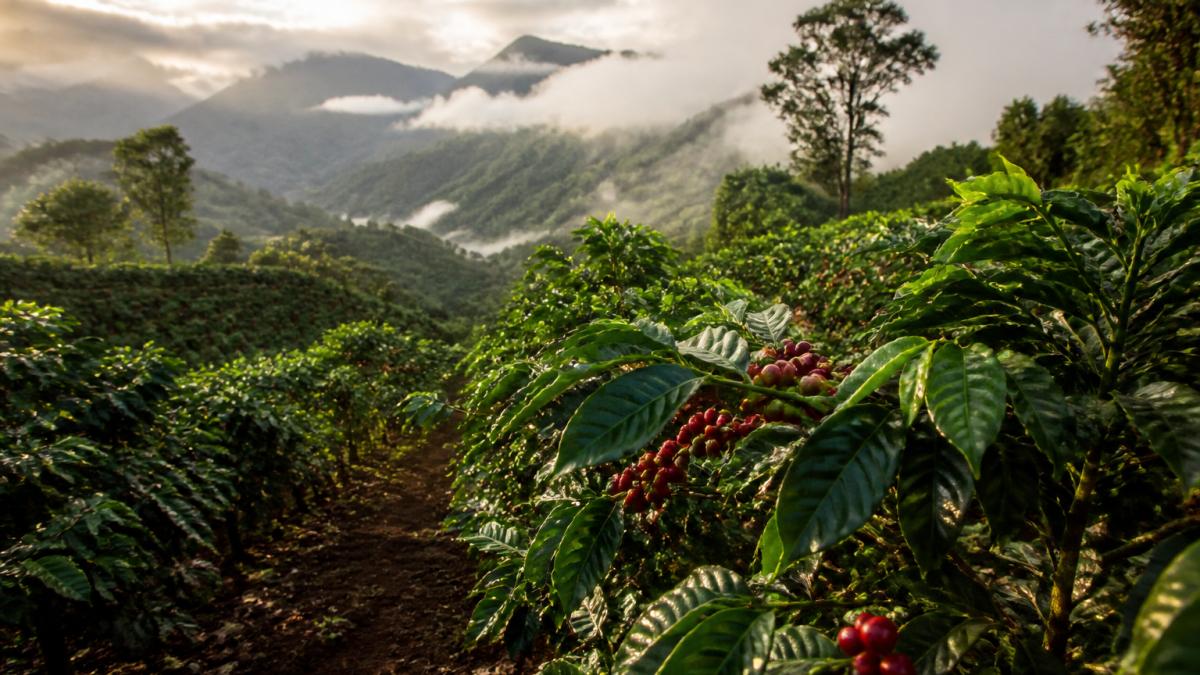
Terroir, the complete environmental context in which coffee grows, is the foundation of what makes single-origin coffee unique. It encompasses altitude, climate, soil composition, rainfall patterns, and even the surrounding ecosystem. These factors combine to influence which compounds develop in the coffee cherry, which ultimately determines what flavors you taste when you brew.
Altitude, Climate, and Soil: The Holy Trinity
Altitude is perhaps the single most important terroir factor. Coffee grows best between 2,000 and 6,000 feet above sea level. At higher elevations, beans develop more slowly, allowing more complex sugars and acids to form. This slowness creates the brightness and complexity that specialty coffee drinkers seek.
Climate matters because coffee needs consistent moisture and moderate temperatures. Regions with distinct wet and dry seasons produce different flavor profiles than areas with year-round rain. A dry harvest season allows cherries to ripen fully and concentrate their sugars. Unexpected frost or excessive rain during flowering can diminish an entire crop.
Soil type directly influences mineral uptake. Volcanic loam, common in regions like Ethiopia, Colombia, and Central America, creates different flavor compounds than clay-based soils. The minerals in volcanic soil contribute to the brightness and complexity that many single-origin coffees are prized for.
Our Honduras offering grows at 1,300 to 1,700 meters in volcanic loam soil, which contributes to its caramel, spice, and brown sugar notes. Compare that to our Ethiopia Natural, grown at 1,700 to 1,900 meters in nitisol soil, and you're tasting the direct influence of geography on flavor.

Processing and Variety: The Plot Twist
Two coffees from the same region can taste completely different depending on how they're processed. Washed coffees are rinsed to remove the fruit before drying, resulting in cleaner, brighter cups. Natural (or dry) process coffees are dried whole, allowing the fruit to ferment slightly, creating fruitier, more complex profiles.
Coffee variety, the plant genetics, also shapes flavor. Bourbon, Typica, Caturra, and Castillo are all distinct varieties with different flavor potentials. Our Colombia uses a blend of Castillo, Caturra, Colombia, and Typica varieties, each contributing different sensory notes to the final cup.
Single-Origin Coffee Flavor Profiles: A Tasting Guide
Every single-origin coffee carries a distinct flavor signature shaped by its origin. Learning to identify these profiles transforms how you experience your morning cup. Rather than tasting "coffee," you're tasting a specific place.
Brazil Santos coffees typically deliver elegant, smooth cups with cocoa notes. The medium roast in our sample pack emphasizes these chocolate characteristics. Brazil's lower altitudes and larger farms create a different profile than the bright, complex coffees of East Africa.
Colombia coffees are known for balance, dried orange, berry, and chocolate notes appear together rather than competing. Colombian farmers often use fully washed processing, which highlights these fruit and chocolate notes cleanly.
Costa Rica coffees tend toward sweetness. Our sample includes sweet apple, raisin, and honey notes from the Alajuela region. Eco-pulped processing (a middle ground between washed and natural) preserves some fruit character while maintaining clarity.
Ethiopia is the birthplace of coffee, and its indigenous heirloom cultivars produce unique profiles. Our Ethiopia Natural showcases milk chocolate, fruity, and caramel notes through natural processing, where the fruit ferments on the bean, creating complexity.
Single Origin Favorites Sample Pack →
When tasting, pay attention to these dimensions: acidity (brightness, tartness), body (how heavy or light it feels), sweetness, and finish (what lingers after you swallow). Single-origin coffees often excel in one or two dimensions.
Traceability and Transparency: Know Your Grower
Single-origin coffee allows you to know who grew your beans. This transparency matters for several reasons: it supports fair compensation for farmers, it gives you confidence in quality, and it connects you to the human story behind your coffee.
Our Single Origin Favorites Sample Pack includes coffees from named growers and cooperatives. Brazil Santos comes from FazFazenda Santa Barbara. Colombia comes from smallholder farmers in Medellin. Ethiopia comes from the Sidama zone's smallholder community. This specificity means you're not buying from an anonymous supply chain, you're buying from identifiable sources.
Traceability also helps you understand consistency and variation. If you love a particular origin and want to reorder it, knowing the farm or cooperative means you can find similar lots. Direct relationships between roasters and farmers create accountability: if a coffee isn't good, the farmer knows about it.
Transparency extends to processing details. Our product listings specify whether beans were washed, natural, or honey-processed. They note altitude, soil type, and variety. This information helps you predict flavor and understand why two coffees from the same country might taste completely different.
Single-Origin Coffee Brewing Guide: Bringing Out the Best
What makes single-origin coffee unique is only fully realized through proper brewing. Each origin has its own ideal brewing parameters. A bright, acidic Ethiopia might need different water temperature or brew time than a full-bodied Brazil.
Start with water temperature. Lighter roasts (like our Ethiopia Natural) typically shine at 200-205°F. Darker roasts (like our Bali Blue) can handle slightly cooler water, around 195-200°F. Temperature influences extraction rate, hotter water pulls more compounds from the beans, creating bolder, sometimes more bitter cups.
Grind size matters tremendously. Finer grinds increase surface area and extraction. Coarser grinds slow extraction. Match your grind to your brewing method: espresso requires very fine grinds, pour-over needs medium-fine, French press needs coarse.
Brew time varies by method. Pour-over typically takes 3-4 minutes. French press steeps for 4 minutes. Espresso extracts in 25-30 seconds. Longer contact time with water pulls more flavor, but too long creates bitterness.
The key is experimentation. Start with the brewing method you already use, then adjust one variable at a time. Try slightly hotter water. If that improves the cup, note it. Try a finer grind next. Document what works. This iterative approach helps you dial in each origin to showcase its best qualities.
Freshness, Seasonality, and Storage: Keeping Your Beans Tail-Wagging Fresh
Single-origin coffees are at their best within 2-4 weeks of roasting. After roasting, CO2 continues escaping from the beans, and oils begin oxidizing. This process gradually diminishes the brightness and complexity that make single-origin coffee unique.
Check your bag's roast date. If it's not printed, ask your roaster. Bags labeled only with a "best by" date without a roast date are a red flag.
Seasonality affects availability. Coffee harvest happens once per year in most regions. Ethiopian coffees peak in quality from November through March. Colombian coffees are harvested twice yearly, providing more consistent availability. Brazilian harvests peak in May through August.
Storage dramatically impacts freshness. Keep beans in an airtight container away from light, heat, and moisture. A sealed bag with a one-way valve works well. Avoid the freezer, repeated temperature changes cause condensation that degrades beans.
Grind just before brewing. Pre-ground coffee oxidizes rapidly, losing aromatics and complexity within minutes. Whole beans stay fresh much longer.
| Storage Method | Freshness Duration | Best For |
|---|---|---|
| Whole beans, sealed bag, room temp | 3-4 weeks | Optimal flavor and aroma |
| Whole beans, airtight container, room temp | 2-3 weeks | Good flavor, convenient |
| Pre-ground, sealed bag, room temp | 1-2 weeks | Quick brewing, less ideal |
| Whole beans, freezer | 2-3 months | Long-term storage only |
Single-origin coffee rewards curiosity. Each origin offers a different flavor journey, shaped by altitude, soil, climate, processing choices, and the farmers who grew it.
At Pups Brew, we believe that story matters. Our Single Origin Favorites Sample Pack lets you taste six different origins and discover which flavor profiles speak to you.
Frequently Asked Questions
What is the definition of single origin coffee?
Single-origin coffee comes from a specific geographic location: a country, region, farm, or even a single lot within a farm. Unlike blends that combine beans from multiple origins, single-origin coffee offers traceability back to its source. This transparency lets you taste the unique characteristics of that place, from the soil and altitude to the farmer's processing choices. Think of it as knowing exactly where your coffee was born and raised.
Is single-origin coffee better than a blend?
Not necessarily, it depends on what you want to taste. Single-origin coffees showcase regional character and terroir, letting you explore diverse flavor profiles from around the world. Blends, by contrast, are crafted to create consistency and balance. Single-origin coffee from Ethiopia might taste fruity and floral, while a blend might offer a smoother, more balanced cup. Your preference determines which is 'better' for your palate.
How does a coffee's origin affect its flavor?
Origin shapes flavor through multiple factors: altitude determines how slowly the cherry ripens, which affects sweetness and acidity; soil composition influences nutrient uptake; climate patterns impact the harvest season; and the farmer's processing method (washed, natural, honey) dramatically changes the final taste. A single-origin coffee from Colombia's volcanic highlands will taste distinctly different from one grown in Ethiopia's Sidama zone, even if both are medium roasts.
How should you brew single-origin coffee?
Brew method matters because single-origin beans often have pronounced flavors you'll want to highlight. Pour-over and French press let you control water temperature and contact time to extract the subtle notes. Espresso requires careful dialing in, some single-origins can taste sharp or unbalanced if the roast and grind aren't matched perfectly. Start with the roast profile (light, medium, dark) as your guide, then adjust your brew temperature and time to find the sweet spot for that coffee's unique character.